
Loading...
Serving Topeka, KS and surrounding areas. (785) 588-1101
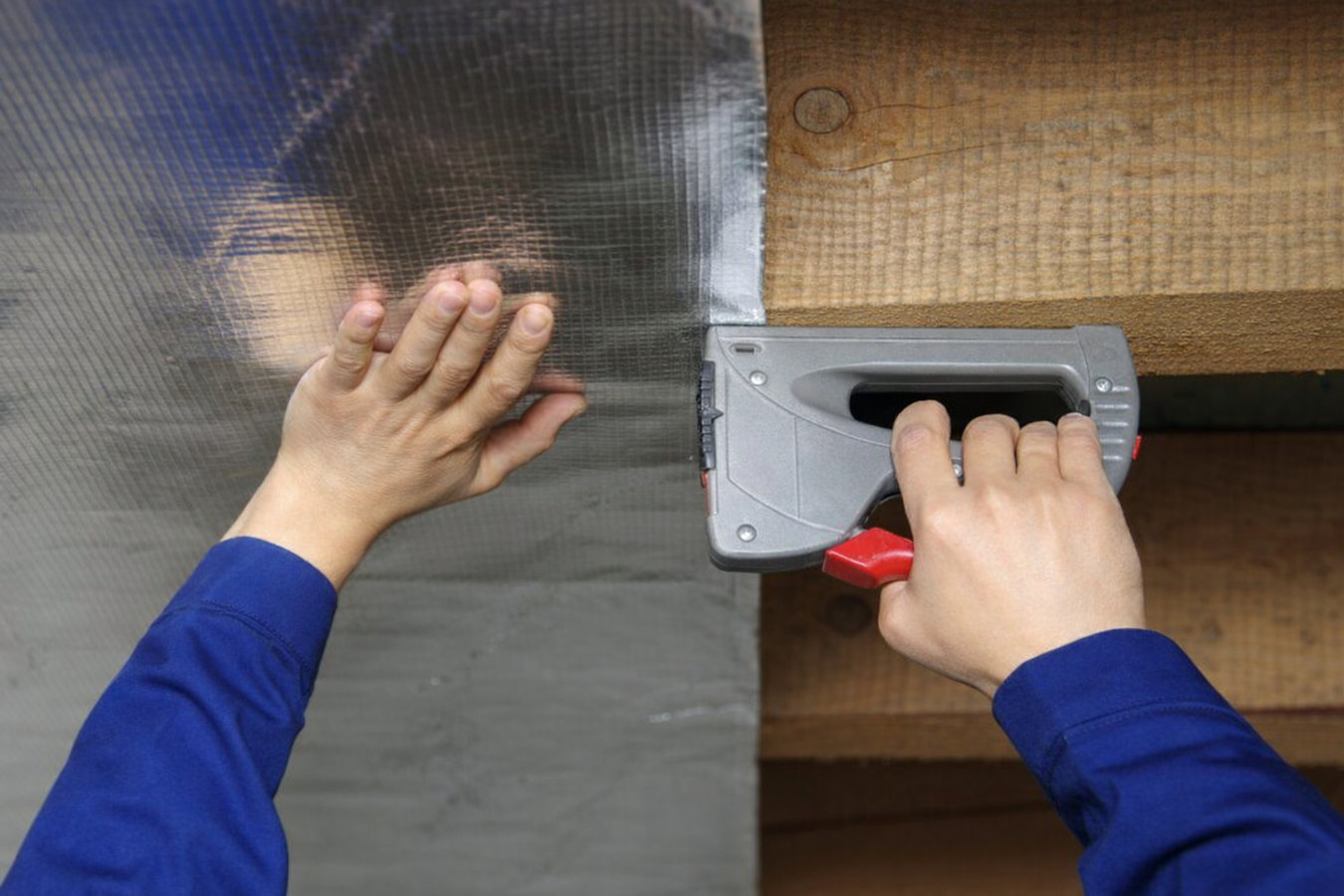
Topeka's clay soil holds ground moisture near the surface all year. Professional vapor barrier installation puts a durable seal between that moisture and your floors, joists, and insulation before damage builds up.
Vapor barrier installation in Topeka means laying durable polyethylene sheeting across your crawl space floor, sealing every seam, and securing the edges to the foundation walls so ground moisture cannot rise into your home's structure. For most single-family homes, a professional crew completes the work in a single day, with no curing time required.
Without a barrier, ground moisture rises silently through the soil and into your floor joists, insulation, and living spaces. Most homeowners do not notice until floors feel soft, energy bills climb without explanation, or a musty smell settles in during spring. Topeka's clay-heavy soil makes this worse than in other regions because the clay holds water near the surface for days or weeks after rain rather than draining it away. For older Topeka homes where the crawl space has never been addressed, pairing vapor barrier installation with crawl space vapor barrier work ensures the floor coverage is thorough and that any deteriorated old plastic is replaced rather than covered over.
The U.S. Department of Energy provides detailed guidance on crawl space moisture control. Read their moisture control overview at energy.gov.
If your floors feel noticeably cold in winter or have spots with a slight give, ground moisture has likely been working on the floor structure below. Topeka's winters push cold and moisture upward through unprotected crawl spaces, degrading insulation and softening wood gradually. Once you feel it in the floor, the problem has usually been building for years.
An earthy, damp odor drifting up through floor vents or ground-floor rooms is a reliable sign that moisture is active in the crawl space below. In Topeka, this smell is most noticeable in spring when the clay soil is saturated from snowmelt and spring rains. If the smell peaks after wet weather, ground moisture is almost certainly the cause.
If anyone has looked under your house and seen sagging, wet insulation, water droplets on pipes, or any standing water after rain, a vapor barrier is overdue. Wet insulation loses most of its ability to keep your home warm, and standing water accelerates wood rot and creates conditions that attract pests.
If you own a home in an older Topeka neighborhood and no one has ever looked under the house, there is a real chance no vapor barrier exists at all. Homes built before the 1970s were routinely constructed with bare dirt crawl space floors. Decades of unprotected exposure can cause significant damage that is not visible from inside the home.
Most Topeka homeowners need a standard floor liner: heavy-duty polyethylene sheeting laid flat across the entire crawl space floor, with seams overlapped and taped and edges anchored to the foundation walls. This is the most practical and cost-effective solution for the majority of homes, and it works reliably for decades when installed correctly. The thickness of the material matters. Thinner plastic tears easily, especially in crawl spaces where a plumber or pest inspector needs to move through. Professional-grade material holds up under regular use.
Some homes need more. When moisture is entering through the foundation walls as well as the floor, or when the crawl space vents are bringing in outdoor humidity during Topeka's humid summers, wall and floor encapsulation provides a more complete seal. Combining that with retrofit insulation in the crawl space delivers both moisture control and better thermal performance in one project, which is often the most efficient approach for older Topeka homes. For homes with a history of standing water or persistent humidity readings above healthy levels, a dehumidifier installed alongside the barrier actively pulls moisture from the air year-round.
When the crawl space already has old, deteriorated plastic, replacement rather than layering is the right call. Old sheeting that has been in place for decades can trap moisture underneath it, making the problem worse instead of better. Removing all old material, clearing debris, and installing a fresh barrier gives the crawl space a clean start and ensures the new installation actually performs.
Best for most Topeka homes: heavy-duty polyethylene sheeting across the entire floor with overlapping, taped seams secured to the foundation walls.
For homes with recurring moisture: the barrier covers the foundation walls and floor, with vents sealed to create a tighter moisture envelope.
Designed for crawl spaces with high humidity or standing water history, where active moisture removal is needed alongside the barrier.
Right for older homes where thin plastic has been in place for years and is no longer functioning, including full debris and old material removal.
Topeka sits on clay-dominated soil that holds water near the surface long after rain events. Unlike sandier regions where moisture drains away within hours, Topeka's clay keeps that water pushing upward for days. The city also sees regular severe weather from April through June, including heavy rainfall events that can saturate the ground quickly. A vapor barrier does not stop flooding, but it significantly reduces the slow, steady moisture intrusion that follows every major rain in the days and weeks after the storm.
Older Topeka neighborhoods, including College Hill, Potwin, and Oakland, have a large share of homes built between the 1920s and the 1960s. These homes were routinely built with bare dirt crawl spaces and no moisture protection of any kind. Many of them are still in that original condition. Topeka's freeze-thaw cycles from November through February repeatedly stress unprotected crawl spaces, pushing soil moisture upward each time the ground thaws. Homeowners in these areas often notice the effects most in late winter and early spring, when the cumulative moisture damage from the season becomes visible.
We install vapor barriers throughout the region, including Topeka, Shawnee, and Olathe. The clay soil and older housing stock are consistent across this corridor, and we approach each crawl space based on what the inspection actually reveals.
We ask a few basic questions about your home's age and any moisture signs you have noticed. This helps us arrive prepared and give you a realistic picture of what to expect. We reply to all requests within one business day.
Before quoting, we get under the house and look at the soil condition, any existing plastic, signs of water, and how accessible the crawl space is. This inspection is the only honest basis for an accurate price, and it is always done before any work is committed.
The crew clears out any debris and old plastic first. They roll out the new sheeting with overlapping seams, tape them securely, and anchor the edges to the foundation walls. Most jobs are finished in a single day with no disruption to your household.
When done, we walk you through what was installed and show photos of the finished crawl space before we leave. All removed debris is hauled away from your property. We explain what to watch for in the weeks after and how to check the crawl space on your own.
We inspect your crawl space, explain what we find in plain language, and give you a written estimate before any commitment. Free, no pressure.
(785) 588-1101We have installed vapor barriers in homes across Topeka's established neighborhoods, including pre-war bungalows in College Hill and Potwin and postwar ranch homes from the 1950s and 1960s. Familiarity with local soil and housing stock means we know what to expect and how to handle it.
We do not price a job without seeing the crawl space first. That is not a formality; it is the only way to give you an accurate estimate and avoid surprises on installation day. Any contractor who quotes a vapor barrier installation without a physical inspection is guessing.
You will see what was under your house before we started and what it looks like when we are done. That documentation gives you a clear record of the condition of your home's crawl space, which matters if you ever sell the home or file an insurance claim.
Every quote we provide is itemized and written before work begins. Topeka homeowners deserve to know exactly what they are paying for. We do not add charges after the fact, and we do not start until the estimate is agreed upon in writing.
The combination of local soil knowledge, a no-quote-without-inspection rule, and written documentation at every stage means Topeka homeowners know what they are getting before, during, and after the job. The Insulation Contractors Association of America sets professional standards for this type of work. We hold our installations to those standards on every project, regardless of size.
Adding insulation to existing walls, floors, and attics in older Topeka homes without tearing out drywall or disrupting finished spaces.
Learn moreTargeted vapor barrier work for crawl spaces specifically, including assessment of whether a simple liner or full encapsulation is the right fit for your home.
Learn moreSpring is our busiest season for crawl space work. Call today or request a free estimate online to lock in your installation date before the schedule fills up.