
Loading...
Serving Topeka, KS and surrounding areas. (785) 588-1101
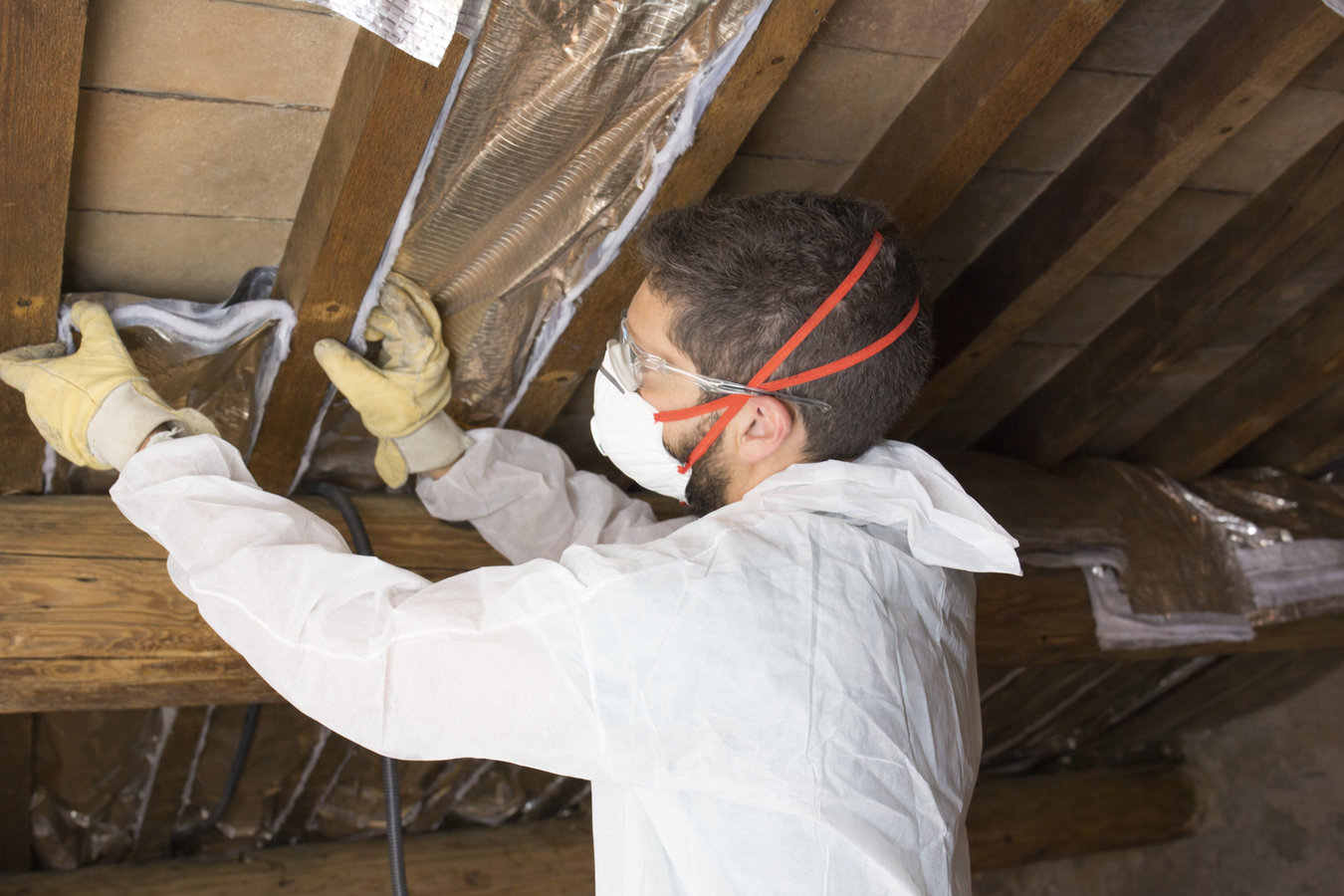
Insulation alone cannot stop air from escaping through gaps. Attic air sealing closes the pathways around pipes, wires, and fixtures first, so your insulation can finally do what it was designed to do.
Attic air sealing in Topeka means finding and plugging the gaps in your attic floor that let conditioned air escape and outside air sneak in. Most jobs are completed in a single visit, with the sealing work itself taking two to six hours depending on attic size and the number of penetrations.
Most homeowners assume that adding more insulation is the best way to cut energy bills. But insulation alone cannot stop air from moving through gaps. Sealing the pathways first is what allows the insulation to actually perform. The two steps together deliver far better results than either one on its own. For homes that already have insulation in place, sealing is often the missing piece. We frequently combine attic air sealing with our crawl space vapor barrier service to address both the top and bottom of the home's thermal envelope in a single project, which is the most efficient way to improve whole-home comfort in Topeka.
The Building Performance Institute sets training and standards for contractors who do this type of work. Learn more about contractor certification at bpi.org.
If your Evergy bill seems out of proportion to what neighbors in similar-sized houses pay, air leaking through your attic is one of the most common culprits. Topeka's hot summers and cold winters mean your system runs hard for many months, and every gap in your attic floor makes it work even harder. A home that is hard to keep comfortable is often telling you that conditioned air is escaping faster than your system can replace it.
If you feel a draft near recessed lights, ceiling fans, or the tops of interior doors in winter, air is likely moving through gaps in your attic floor. This is especially common in Topeka homes built before 1980, where the attic floor was never sealed during original construction. The draft is not coming through your windows; it is coming from above.
If you have looked in your attic and the insulation looks flat, patchy, or sparse, there is a good chance the air sealing underneath it was never done either. In many older Topeka homes, insulation was added on top of an unsealed attic floor, which means it is doing only part of its job. Thin or uneven insulation is a visible clue that the whole system needs attention.
Ice dams form when warm air from inside your home escapes into the attic and melts snow unevenly at the roof edge. Topeka winters bring enough cold and precipitation that ice dams are a real risk, and they can cause water to back up under shingles and leak into your home. If you have seen icicles or ice ridges at your roofline after a snowstorm, unsealed attic gaps are almost certainly part of the cause.
We provide attic air sealing as a standalone service and as part of a broader insulation project. A standalone sealing visit is well-suited for homes where the existing insulation is still in reasonable condition but was installed over an unsealed floor, which is the case in most Topeka homes built before 1980. We work systematically across the attic floor, applying foam and caulk to every penetration we find before replacing any insulation we had to move.
When we combine sealing with new insulation, the result is significantly better than either step alone. We also offer standalone air sealing services that address the whole home, including rim joists and band boards in the basement, if the attic is just one part of a larger efficiency problem. For homeowners whose attic insulation is thin, damaged, or was never there to begin with, sealing is always the first step before any new material goes in.
Every project starts with an in-home assessment that shows you exactly what we found and a written estimate before any work begins. There are no hidden charges and no pressure to add scope you did not ask for.
Best for most Topeka homes: closes gaps in the ceiling plane so conditioned air stays in living spaces and unconditioned attic air stays out.
Suits homes with can lights in the ceiling, which are among the largest single sources of air loss in older Topeka construction.
Addresses the gap where interior walls meet the attic floor, a major pathway for air movement that is often missed in less thorough jobs.
The right first step whenever attic insulation is being added or refreshed, so the new material can perform as designed from day one.
Topeka regularly sees summer highs above 95 degrees and winter lows well below 10 degrees, sometimes in the same calendar year. That kind of range means your heating and cooling system is working hard for many months, and every unsealed gap in your attic floor is costing you money in both directions. Homeowners in Topeka tend to notice the payoff from air sealing faster than people in milder climates because the temperature difference between inside and outside is so dramatic for so much of the year.
Much of Topeka's residential housing stock dates from the 1940s through the 1970s, a period when builders gave no thought to air sealing. Homes from that era typically have dozens of unsealed gaps where pipes, wires, and ducts pass through the attic floor. Kansas is also consistently one of the windiest states in the country, and that wind pressure forces air through attic gaps more aggressively than still-air conditions, making even small cracks noticeable inside on a blustery day. The U.S. Department of Energy identifies air sealing as one of the highest-impact steps a homeowner can take to lower energy costs. Read the DOE's air sealing guidance at energy.gov.
We serve homeowners across the Topeka area and beyond, including Shawnee, Olathe, and Ottawa. Whether your home is a brick bungalow near the State Capitol or a ranch house on the south side, the attic air sealing process is the same: find every gap, seal it properly, and document the work so you can use it for a rebate or tax credit.
When you reach out, we ask a few basic questions about your home's age and what is prompting you to call. Most contractors can give you a rough sense of what to expect over the phone, and we typically schedule an in-home visit within a few days. We reply to all messages within one business day.
We access your attic through the hatch and spend time looking at the current insulation and the floor beneath it. We check for gaps around pipes, wires, light fixtures, and the tops of interior walls, then walk you through what we found and provide a written estimate that covers exactly what will be done and what it will cost.
The crew works systematically across the attic floor, applying foam or caulk to every gap identified during the assessment. If existing insulation is in the way, we move it aside and replace it once the sealing is done. For most homes, this portion of the work takes two to six hours.
When the work is complete, we walk you through what was done, either in person or with photos. If you are planning to claim an Evergy rebate or a federal tax credit, we provide the documentation you need before we leave so the paperwork is ready when you file.
Free written estimate. No permit hassle. We document everything for rebate or tax credit claims. Reply within one business day.
(785) 588-1101We have assessed and sealed attics in homes across Topeka's older neighborhoods, including the pre-war bungalows in College Hill and Potwin and the postwar ranches built through the 1960s. That hands-on familiarity with how Topeka homes were built means we know where the gaps are before we even go up the ladder.
A complete job means sealing around every pipe, wire, light fixture, and the tops of interior walls, not just the openings that are easy to reach. We walk you through the findings before we start and the completed work before we leave, so you can see exactly what was addressed and where.
Evergy has offered rebates for qualifying energy efficiency work, and claiming them requires proper documentation. We know what is needed and provide it at the end of every job. Homeowners who plan for rebates upfront recover more of their investment than those who try to apply after the fact.
Proper attic air sealing follows building science principles developed by organizations like the Building Performance Institute. We apply foam and caulk to every penetration in the attic floor, not just the visible ones, because that is the only way to actually stop the air movement that drives up your bills.
We are a locally based contractor and every job is assessed and completed by the same crew you talked to on the phone. We do not subcontract the work or rush through it. If the assessment reveals something unexpected, we tell you immediately and explain your options before we continue. That straightforward approach is why our customers refer their neighbors.
Seal the underside of your home just as thoroughly as the top by adding a vapor barrier to your crawl space, reducing moisture and cold-floor problems.
Learn moreWhole-home air sealing that goes beyond the attic to address rim joists, band boards, and other pathways driving up your energy bills.
Learn moreWith Topeka's summer heat arriving fast, now is the best time to close the gaps that have been costing you money all winter. We can usually schedule a visit within a few days of your call.