
Loading...
Serving Topeka, KS and surrounding areas. (785) 588-1101
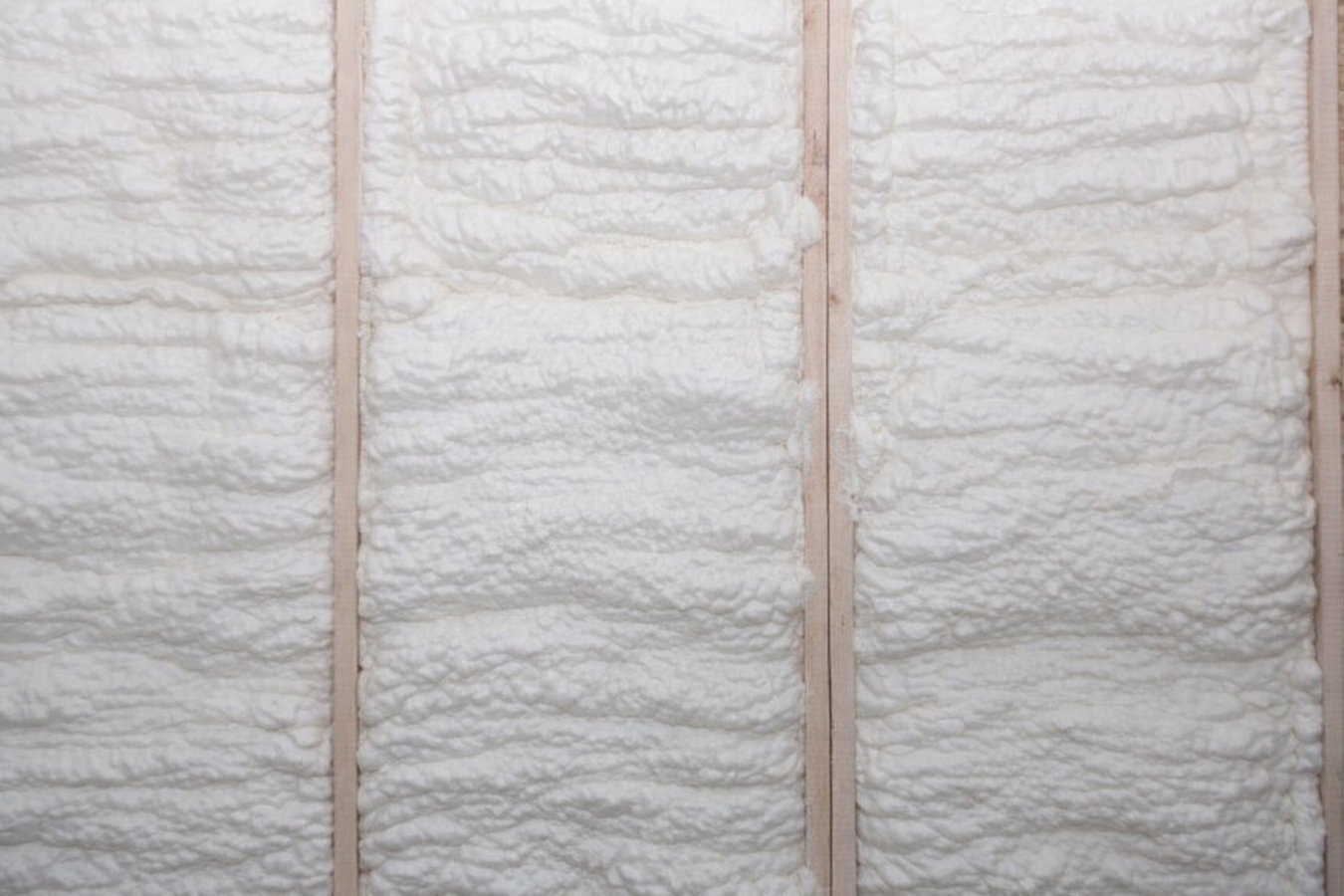
Drafty rooms and high energy bills are often caused by gaps your current insulation does not cover. Open-cell foam expands to fill every crack, sealing your home from both summer heat and Topeka winters.
Open-cell foam insulation in Topeka fills wall cavities, attic floors, and crawl spaces with a soft, expanding material that seals gaps and slows heat transfer in both directions. Most residential jobs covering one area of the home are completed in a single day.
If your home is more than 40 years old, the existing insulation was installed to a much older standard and may have settled or degraded since then. Open-cell foam is often applied over or around existing materials, which means you do not always need to strip everything out first. It also acts as an air seal at the same time it insulates, which is something batts and blown-in materials cannot do on their own. Many homeowners pair it with our attic air sealing service to address both the attic floor and the structural gaps below it in a single visit.
The Spray Polyurethane Foam Alliance publishes installation and quality standards for this type of work. Learn more about spray foam standards at sprayfoam.org.
If your Evergy or Spire bill has crept up year after year without a change in usage habits, your insulation may be losing effectiveness. In Topeka, where both heating and cooling seasons are long and demanding, a home that loses conditioned air through gaps shows up clearly on the monthly statement. This is one of the most common signs homeowners overlook.
If one bedroom is always colder in January or one side of the house stays stuffy all summer despite a running AC, uneven insulation is often the cause. Air is escaping through gaps that your current insulation does not cover. Open-cell foam fills every crack it touches, which tends to even out those temperature differences across the home.
Hold your hand near an electrical outlet on an exterior wall during a Topeka cold snap. If you feel moving air, it is traveling through the wall cavity from outside. Topeka winters can bring sustained cold spells with wind chills well below zero, and those conditions make air leaks very easy to feel if you know where to check.
Homes built before the mid-1980s in Topeka were constructed under much older standards, and many were insulated with materials that have since settled or broken down. If you have never had an energy audit or insulation inspection in a neighborhood like College Hill, Potwin, or North Topeka, there is a reasonable chance the insulation is underperforming.
We install open-cell foam in attics, wall cavities, crawl spaces, and basement walls throughout Topeka and the surrounding area. For most attic projects, we spray the foam across the attic floor or against the underside of the roof deck depending on whether you want a conditioned or unconditioned attic. Either approach can be completed in a day, and the result is a layer that both slows heat movement and seals the air gaps that older batts leave behind.
If your priority is the whole-home picture, open-cell foam pairs well with spray foam insulation in areas like the rim joists and band boards where dense coverage matters most. For wall cavities in finished rooms, we drill small holes through the exterior or interior surface, fill each cavity, and patch the openings so the disruption to your home stays minimal. Homeowners who want to take the next step after foam often ask about dedicated attic air sealing to address penetrations around light fixtures, plumbing, and wiring that even foam does not always reach on its own.
Every project starts with a written estimate that breaks out scope, foam thickness, and total price. We handle the city permit and coordinate the post-installation inspection so you have documentation on file.
Best for homeowners who want to seal their attic floor or the underside of the roof deck without tearing out existing materials.
Suits older homes where wall cavities are accessible from the attic above or through small holes drilled in siding, limiting interior disruption.
Ideal for homes with unconditioned crawl spaces where moisture and cold floors are a recurring problem throughout Topeka winters.
Works well in poured-concrete or block basements where the goal is to slow heat loss through below-grade walls and reduce drafts on the first floor.
Topeka sits in a climate zone where summer highs regularly reach the mid-90s and winter lows can fall well below zero. That kind of range means your insulation is working in both directions for most of the year. Open-cell foam is especially well-suited to this climate because it slows heat transfer and seals air gaps at the same time, addressing two separate problems with a single installation. Homes in older neighborhoods like College Hill and Potwin, where construction from the 1920s through the 1960s is the norm, tend to benefit the most because those buildings were never designed with modern energy standards in mind.
Kansas is also one of the windiest states in the country, and Topeka regularly sees sustained winds that push outdoor air through every gap they can find. Wind pressure forces air through wall and attic penetrations in a way that calm conditions do not, which means even small unsealed gaps can cause noticeable drafts inside your home. Open-cell foam removes those pathways, and the difference on a blustery Kansas day can be significant. The U.S. Department of Energy estimates that homeowners who properly air-seal and insulate their homes can cut heating and cooling costs meaningfully, and Topeka's demanding climate tends to shorten the payback period compared to milder regions. Read the DOE's insulation guidance at energy.gov.
We serve homeowners throughout the Topeka area, including Lawrence, Manhattan, and Leavenworth. Whether you are in a Victorian bungalow near Washburn University or a ranch home on the west side, the approach is the same: assess what you actually have, recommend what will genuinely help, and do the work correctly the first time.
When you call, we ask a few basic questions about your home's age and what areas you want insulated. We can usually schedule an in-home visit within a few days and will reply to any message within one business day.
We walk through the areas you want insulated, measure the space, check what is already there, and note any moisture or damage issues that need addressing first. You receive a written estimate that spells out the scope, foam thickness, and total cost before we ask you to commit.
For most insulation jobs in Topeka we pull a building permit from the city before work begins. We handle this for you, and once the permit is in hand we confirm your work date. This step typically takes a few business days.
The crew sprays the foam in even passes, and the material firms up within seconds so we can verify coverage before we leave. After the foam cures a city inspector confirms the work meets Topeka's building standards, and we provide documentation of the permit closure for your records.
Free written estimate. We pull the permit. No surprise charges. Reply within one business day.
(785) 588-1101We have worked on homes across every Topeka neighborhood, from the brick bungalows in College Hill and Potwin to the ranch homes on the south and west sides. That direct local experience means we understand the construction quirks and insulation needs that older Topeka homes present.
We pull the required Topeka building permit for you and coordinate the post-installation city inspection. That independent inspection gives you a second set of eyes on the quality of the work at no additional cost to you.
Every project starts with a written estimate that spells out scope, foam thickness, and total price. There are no surprises on the invoice. If the scope changes after we start, we tell you immediately before the work continues.
We know what Evergy and federal tax credit programs require for qualifying insulation projects and can provide the documentation you need to file. Homeowners in Topeka who plan for rebates upfront recover more of their investment than those who try to apply after the fact.
We are a Topeka-based contractor, not a national franchise. Every estimate comes from someone who has walked homes like yours, and every job is done by a crew that will be accountable to you afterward. The city inspection at the end is one more layer of assurance that the work meets the standard it is supposed to meet.
Close the gaps around pipes, wires, and light fixtures in your attic floor so your insulation can actually perform the way it should.
Learn moreHigh-performance spray foam for rim joists, band boards, and areas where a denser, more rigid product is the right call.
Learn moreTopeka's summers and winters both put pressure on your home's insulation. The sooner we assess your situation, the sooner you stop paying for air that escapes through gaps.