Loading...
Serving Topeka, KS and surrounding areas. (785) 588-1101
Topeka's older homes lose heat and cool air through under-insulated attics, walls, and crawl spaces. Retrofit insulation fixes that without a full renovation, so you get lower bills and real comfort without the disruption.
Retrofit insulation in Topeka means adding insulation to a home that is already built, filling attics, wall cavities, and crawl spaces through small openings rather than opening up walls. Most attic jobs finish in a single day; wall injection for a full house typically takes two to three days with minimal interior disruption.
Topeka has a large inventory of homes built before 1980, including craftsman bungalows in College Hill, ranch homes from the 1950s, and Victorian-era houses in Potwin. Many of these homes were built when insulation standards were a fraction of what they are today, leaving wall cavities empty or attics with only a thin layer of original batting that has settled and thinned over decades. Pairing retrofit insulation with home insulation services gives homeowners a clear picture of every area that needs attention before committing to a specific scope of work.
The U.S. Department of Energy provides guidance on where to insulate and which materials work best for existing homes. Read their insulation overview at energy.gov.
If your energy bills have been creeping up even though nothing else has changed, conditioned air is escaping your home faster than it should. Topeka's extreme seasonal temperatures mean your HVAC works especially hard, and poor insulation forces it to run almost constantly. A home with adequate insulation holds its temperature much longer between heating or cooling cycles.
A bedroom that turns into an oven in August, or a living room that never quite warms up in February, usually points to uneven insulation. In older Topeka homes, insulation was sometimes installed inconsistently or skipped entirely in certain wall cavities. These comfort hot spots and cold spots are one of the clearest signals a retrofit assessment is worth scheduling.
Hold your hand near an electrical outlet on an exterior wall during a cold Topeka winter day. If you feel cold air moving, that wall cavity has little or no insulation. Drafts around baseboards, window frames, and where walls meet the ceiling are also common. These are not just comfort problems; they mean you are paying to heat air that is immediately escaping outside.
Homes built before modern energy codes were adopted were often insulated to a far lower standard than what is recommended today, or not insulated in the walls at all. In Topeka's older neighborhoods, it is common to find homes with attic insulation that has settled and thinned over decades. Age alone is not a guarantee you need work, but it is a strong enough signal to warrant a professional assessment.
Every retrofit project starts with a full assessment of what is already in your home. Once we know what you have, we recommend the most effective approach for each area. The attic is almost always the first priority, since it is the single biggest source of heat loss in most Topeka homes. We add blown-in fiberglass or cellulose on top of whatever is there until the depth reaches the DOE-recommended range for this climate zone.
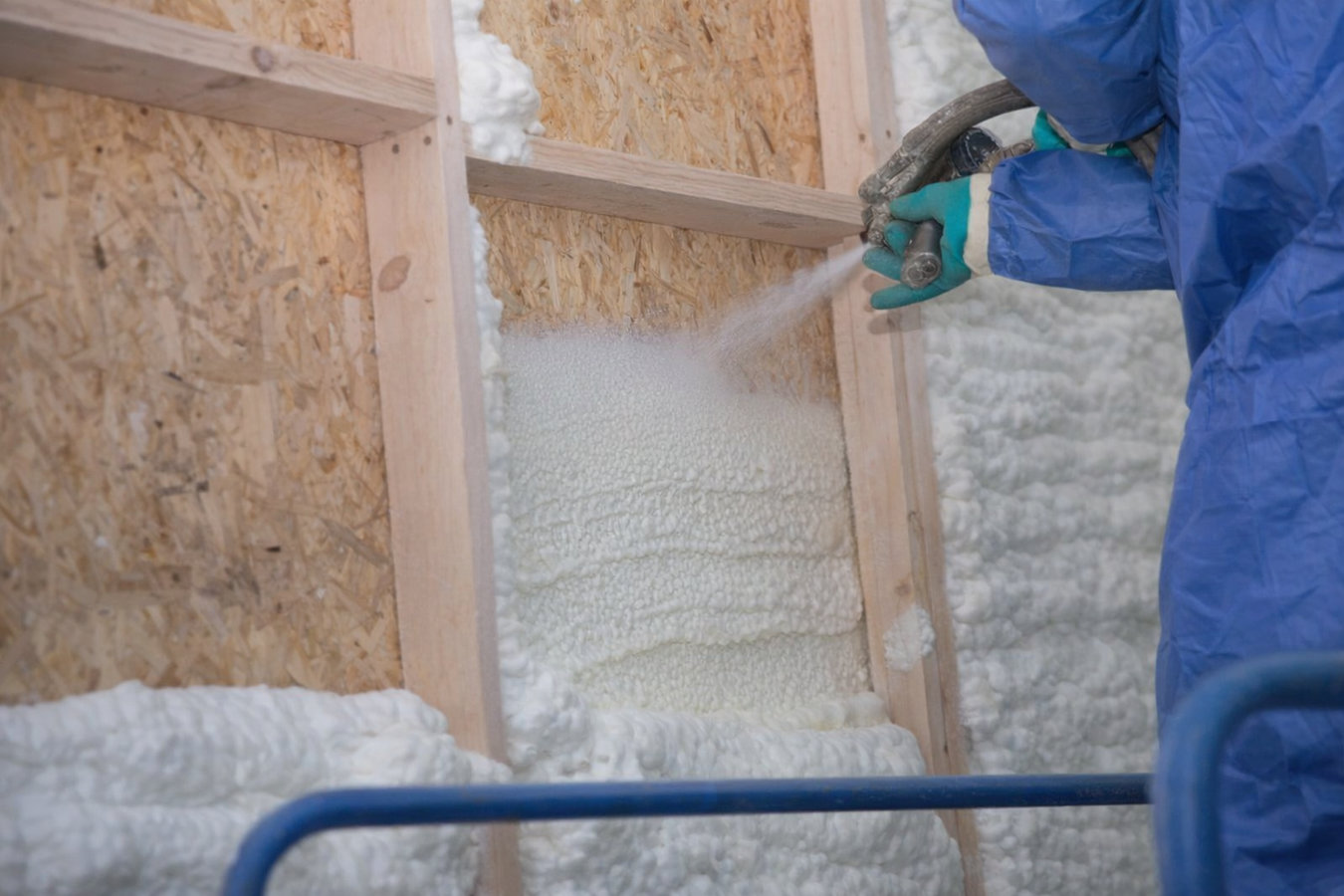
For walls, we use dense-pack injection: small holes drilled into each stud bay, material pumped in under pressure until the cavity is completely full, and then holes patched and ready for paint. This method works for both interior and exterior approaches depending on your home's siding and construction. It is the standard technique for Topeka's pre-1970s housing stock, and when done correctly leaves no visible sign from inside the home.
Below the living space, spray foam is usually the right choice for crawl space walls, floor joists, and rim joists, because it seals air gaps and insulates at the same time. For homeowners dealing with whole-home comfort problems, we can combine all three areas into a coordinated retrofit project. Pairing that work with commercial insulation planning methods, such as a building envelope review before specifying materials, gives homeowners the same systematic approach typically reserved for larger projects.
The most common starting point for Topeka homes: blown-in fiberglass or cellulose added over existing material to reach the recommended R-49 to R-60 depth.
For homes with uninsulated exterior walls: small holes are drilled, cavities are packed full, and holes are patched. The interior looks the same when done.
Spray foam or rigid material applied to the crawl space floor, walls, and rim joists to stop cold infiltration from below, especially important in Topeka's cold winters.
A coordinated project covering attic, walls, and crawl space together, typically the best approach for pre-1970s Topeka homes that have never been insulated to modern standards.
Topeka sits in a climate zone where summer highs regularly push past 95 degrees Fahrenheit and winter lows can drop below 10 degrees, sometimes in the same calendar year. That range puts constant stress on your home's thermal envelope. Insulation that might be adequate in a milder climate simply is not enough here. Topeka homeowners tend to see faster payback on insulation upgrades than those in more moderate climates because the heating and cooling systems are working so hard for so many months of the year.
A large share of Topeka's residential neighborhoods, including areas like College Hill, Oakland, and Potwin, feature homes built before the 1970s, when insulation standards were far less demanding than today. Many were built with little or no wall insulation and minimal attic coverage. Homeowners in Topeka, Leavenworth, and Manhattan with homes in this age range are among those who stand to benefit most from a retrofit assessment.
Topeka's humidity and spring storm season also create moisture risks in crawl spaces and lower wall cavities. When getting a retrofit quote, ask specifically whether the contractor will check for moisture before installing. Skipping that check in a Topeka home is a shortcut that can cost significantly more to fix later. Evergy, the primary electric utility serving Topeka, has offered rebate programs for homeowners who upgrade insulation as part of an energy efficiency improvement, so checking with them before scheduling work is worth the five-minute call.
We ask a few basic questions about your home's age, which areas concern you most, and whether you have noticed any comfort or bill issues. This helps us arrive prepared. We reply to all requests within one business day.
A technician visits, inspects the attic, walls, and crawl space, measures current insulation levels, and checks for air leaks and moisture. The written estimate breaks down areas, materials, and total cost. No obligation to proceed.
The crew arrives with truck-mounted blower or spray equipment. Attic jobs typically finish in a few hours. Wall injection work takes longer but all holes are patched before the crew leaves. You can stay home throughout.
Before leaving, we walk you through what was installed and provide documentation of materials and performance ratings. This paperwork is what you need if you are claiming the federal tax credit or an Evergy rebate.
We assess first and quote second. No pressure, no obligation, and we reply within one business day.
(785) 588-1101We have completed retrofit projects across Topeka's neighborhoods, from pre-war bungalows in College Hill and Potwin to postwar ranch homes in Oakland. That local experience means we know what older Topeka construction looks like from the inside and how to work with it efficiently.
We do not price a retrofit job without first measuring current insulation levels and identifying air leak locations. That step is how we give you an accurate number and avoid discovering unexpected problems on installation day.
If your project qualifies for the federal Energy Efficient Home Improvement Credit, we provide the material documentation you need to claim it. Combined with potential Evergy rebates, this can meaningfully reduce your total out-of-pocket cost.
The biggest difference between a thorough retrofit and a surface-level one is whether the contractor seals air gaps before adding insulation. We include that step in every attic and crawl space project, because adding thickness without sealing leaks leaves most of the benefit on the table.
Topeka's older housing stock requires contractors who understand mid-century framing, variable wall depths, and the moisture patterns that come with Shawnee County's climate. We bring that local knowledge to every job, and we back it up with written estimates, documented results, and clear communication from first contact to final walkthrough. The Building Performance Institute outlines the standards that separate thorough retrofit work from a surface-level job, and those are the standards we hold our work to.
Insulation upgrades for Topeka commercial buildings, including warehouses, offices, and older downtown properties with dated wall and ceiling systems.
Learn moreComprehensive home insulation services covering every area of the house, from the attic to the basement, for homeowners starting from scratch.
Learn moreEvery month of under-insulated walls and attics is money out the door on your energy bills. Call now or request a free written estimate to lock in your spot.