Loading...
Serving Topeka, KS and surrounding areas. (785) 588-1101
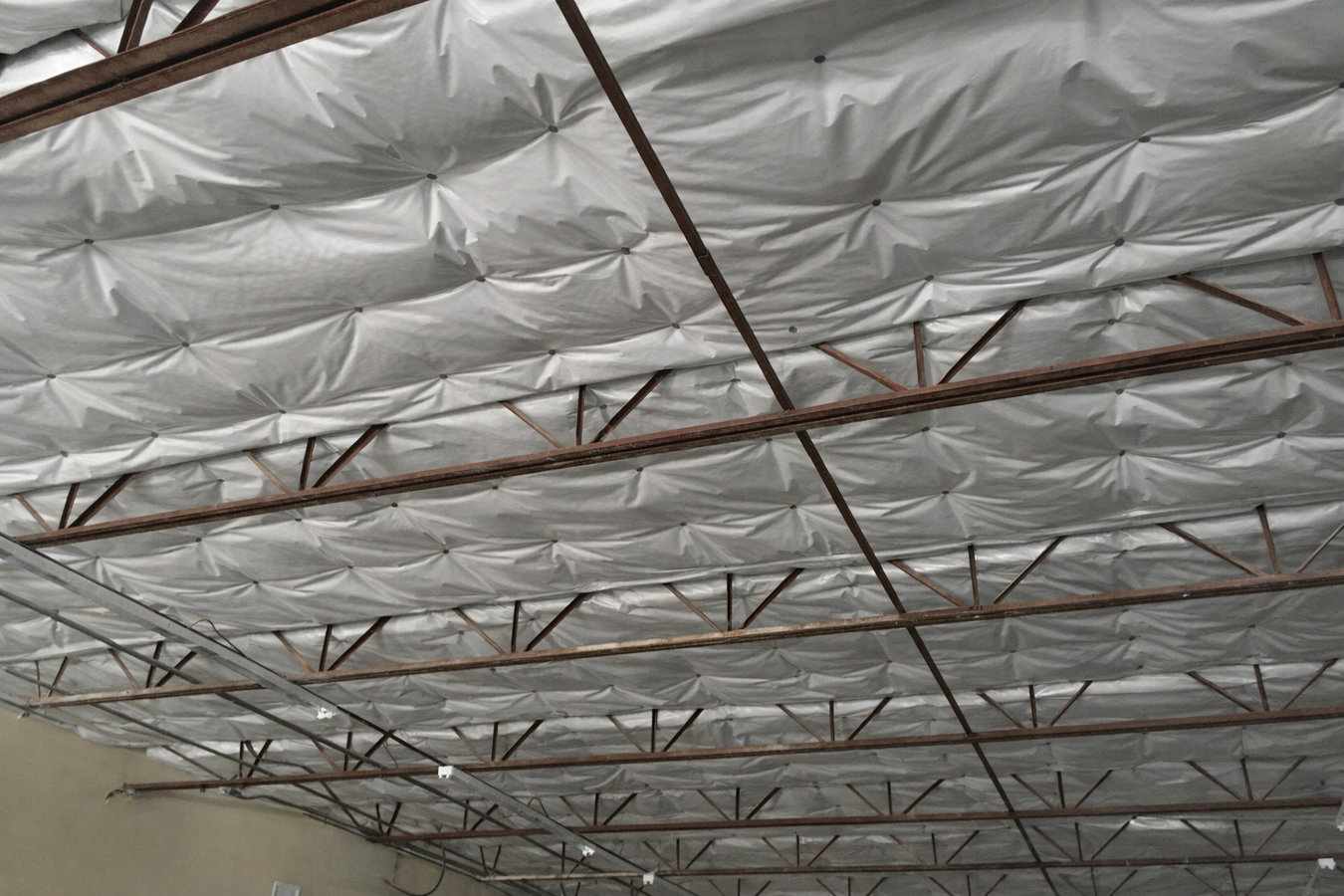
Topeka's climate pushes older commercial buildings hard in both summer and winter. Proper insulation keeps your building comfortable, lowers utility costs, and reduces the load on your HVAC system year-round.
Commercial insulation in Topeka means installing or upgrading insulation in office buildings, warehouses, retail spaces, and other commercial structures to slow heat movement through walls, roofs, and floors. Straightforward single-story projects typically take one to three days; larger or more complex buildings can take a week or more depending on scope and access.
Much of Topeka's commercial building inventory dates from the mid-20th century, when insulation standards were far lower than today. Older buildings in areas like downtown Topeka and the North Topeka corridor often have little to no insulation in their wall cavities, and what is there may have settled, gotten wet, or degraded over decades. Combining commercial insulation work with spray foam insulation methods gives building owners the most complete solution because spray foam seals air gaps and insulates in a single pass.
The Insulation Contractors Association of America maintains standards and best practices for commercial insulation work. Learn more at insulation.org.
If your utility bills have been creeping up year over year but your building's use has not changed much, aging or inadequate insulation is one of the most common culprits. Topeka's extreme summer heat and cold winters put constant pressure on your HVAC system, and thin or degraded insulation forces it to run harder than it should. A noticeable spike in bills during January or July is often the first sign something is wrong with your building envelope.
Topeka averages sustained winds of around 12 to 14 mph, and if your building has gaps or thin spots in the walls or ceiling, you can feel it every time a strong gust comes through. Drafts near exterior walls or the ceiling on breezy days, even when all windows and doors are closed, signal that cold air is finding its way in through gaps that insulation and air sealing could close.
Uneven conditions inside a commercial building, where one area is comfortable while another is drafty or stuffy, often point to gaps or thin spots in the insulation. In Topeka, this problem tends to show up most clearly during the hottest weeks of summer and the coldest stretches of winter, when the difference between insulated and uninsulated areas becomes hard to ignore.
A large portion of Topeka's older commercial buildings were constructed when insulation requirements were minimal. If your building was built before the 1990s and has never had its insulation assessed or upgraded, there is a good chance it is operating well below what is achievable today. You do not need to wait for a visible problem; a simple assessment can tell you exactly where you stand.
Every commercial project starts with a physical site assessment. No two buildings are the same, and the material that works well in a warehouse ceiling is not necessarily right for a masonry wall in a downtown Topeka building. Our process begins with understanding your building before recommending anything, which is the only way to give you an accurate scope of work and a realistic price.
Spray polyurethane foam is the most versatile option for commercial work in Topeka's climate. It expands to fill every gap, provides both insulation and air sealing in one application, and performs well in both the roofline and perimeter walls where Topeka's sustained winds create the most infiltration. Rigid foam board is often the better choice for flat roof systems and exterior wall applications where a continuous, dimensionally stable layer is required.
For large attic and ceiling spaces, blown-in loose fill covers wide areas quickly and at a lower material cost than foam, making it a practical choice for single-story commercial buildings with accessible attic space. When existing insulation has been damaged by moisture or simply compressed to the point of ineffectiveness, removal comes first. We also offer wall insulation specifically for existing commercial structures where the goal is to add coverage without a full interior or exterior renovation.
Best for buildings where air sealing and insulation need to happen together: spray foam expands to fill gaps and creates a continuous barrier, which matters especially in Topeka's windy climate.
Suited for wall and roof deck applications where a flat, continuous layer is needed and spray is not practical; common in commercial additions and exterior wall upgrades.
Ideal for attic spaces and large ceiling cavities in single-story commercial buildings, where a hose-fed application can cover a large area quickly at a lower material cost.
For buildings with wet, damaged, or settled insulation that has lost its effectiveness: old material is removed first, moisture issues are addressed, and fresh insulation is installed.
Topeka sits in a climate zone where summer highs regularly push past 95 degrees Fahrenheit and winter lows can drop to near zero. That is a swing of nearly 100 degrees, and your insulation has to perform at both ends. Buildings that were insulated to minimum standards years ago were not designed for this kind of constant thermal stress, which is why energy bills in Topeka can feel punishing even in a well-maintained building.
Topeka also averages sustained winds of 12 to 14 mph, with strong gusts common in spring and fall. Wind drives cold air into any gap or thin spot in your building's envelope, making drafts and uneven temperatures worse than the thermometer alone would suggest. Building owners in Topeka, Shawnee, and Overland Park with older structures benefit most from contractors who treat air sealing as part of the insulation scope, not an optional add-on.
Topeka also averages around 35 inches of rain per year, and the spring storm season brings heavy rainfall. Moisture that gets into wall or ceiling cavities can degrade insulation quickly. In Topeka, a quality commercial insulation job includes attention to vapor management, making sure moisture cannot be trapped where it will cause long-term structural damage.
We ask basic questions about your building's size, type, and what problem you are trying to solve. No honest contractor can give you a real number without seeing the space, so this call is about scheduling the site visit, not pricing. We reply within one business day.
We walk the building, look at all areas where insulation is needed, note existing material and any moisture or access issues, and take measurements. Within a few days you receive a written estimate that breaks down scope, materials, and total cost.
If the project requires a building permit through the City of Topeka, we handle the application on your behalf. Once approved and materials are ordered, you get a confirmed start date. This stage typically takes a few days to a couple of weeks.
The crew completes the work and walks you through before any walls or ceilings are closed. If a building inspection is required, we schedule it and are present for it. The job is not complete until coverage is verified and the space is clean.
We come to your building, assess it in person, and give you a written quote with no obligation. We reply within one business day.
(785) 588-1101We have worked on commercial buildings across Topeka, including properties in the North Topeka corridor and downtown areas with older construction methods and hard-to-reach wall cavities. That local background means fewer surprises on your job and faster problem-solving when something unexpected comes up.
We do not quote commercial insulation over the phone. Every estimate starts with a physical site visit because the size, access, existing material, and moisture conditions in your building are what drive the actual number. A quote without a site visit is a guess.
Commercial insulation in Topeka often requires a building permit, and navigating the City of Topeka's Building Services process is part of what you hire a contractor for. We handle the application, coordinate inspections, and make sure the paperwork is complete before and after the work.
Every estimate we provide for commercial work is itemized in writing before work begins. You know exactly what you are paying for, including labor, materials, and permit fees. We do not add charges after the fact, and we do not start until the estimate is agreed upon.
Commercial insulation in Topeka requires understanding both the local climate and the construction methods common in buildings from the 1950s through the 1980s. We bring that combination of local knowledge and technical preparation to every project. Kansas has state-level energy standards for commercial buildings, and the Kansas Energy Office provides resources on current commercial energy efficiency requirements, which we stay current with so you do not have to.
Spray foam for both commercial and residential applications, expanding to seal air gaps and insulate in a single application without additional sealing steps.
Learn moreInterior and exterior wall insulation for existing structures, using blown-in or foam methods to fill cavities without full wall removal.
Learn moreTopeka winters do not wait, and neither should your building's envelope. Call now or request a free on-site estimate before contractor schedules fill up for the season.