Loading...
Serving Topeka, KS and surrounding areas. (785) 588-1101
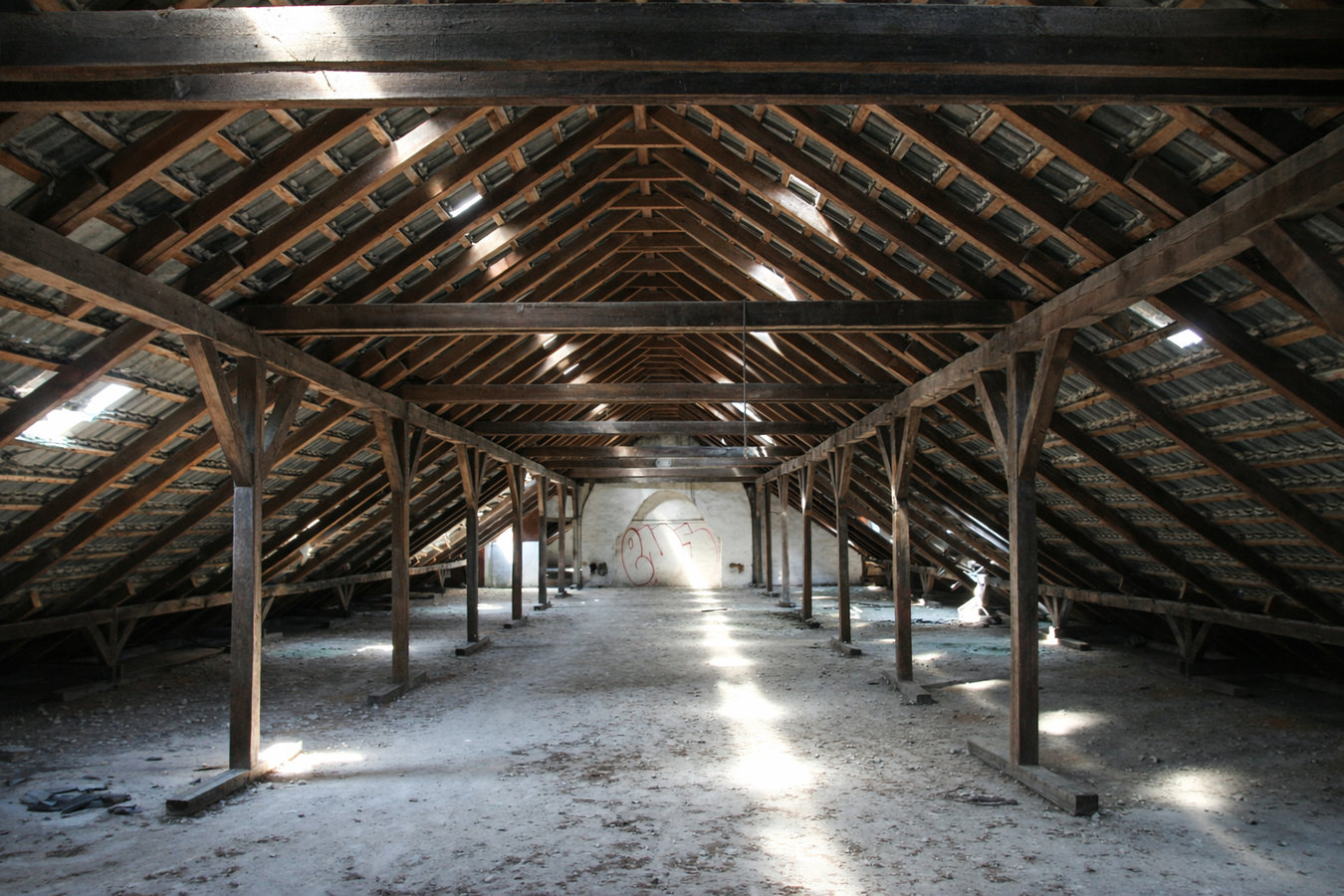
An under-insulated attic lets heat pour out in winter and flood in during summer. The right insulation depth, properly installed, makes your home easier and cheaper to keep comfortable through every season.
Attic insulation in Topeka means adding the right depth of material to meet the performance level recommended for this climate, most jobs are completed in a single day and do not require you to leave home. The Department of Energy places Topeka in a climate zone that calls for some of the highest recommended attic insulation levels in the country, and most homes built here before 1990 fall significantly short of that. If yours is one of them, your heating and cooling system is making up the difference every day.
The attic is the single biggest area of heat loss and gain in most homes. In summer, attic temperatures on a hot Topeka day can exceed 140 degrees, and thin insulation overhead turns upstairs rooms into ovens. In winter, warm air that rises through gaps and thin spots escapes through the roof rather than staying in your living space. Both problems have the same root cause and the same fix.
Most attic jobs also include attic air sealing before new insulation goes in, because adding material on top of gaps and penetrations leaves the underlying problem unsolved. Sealing first and insulating second is the sequence that delivers the results homeowners expect.
If your utility bills have been climbing year after year but nothing about your household has changed, your attic insulation may be the culprit. Heat moves through an under-insulated attic ceiling in both directions, forcing your furnace and air conditioner to run longer and harder. This is one of the most overlooked reasons for high energy bills in older Topeka homes.
If bedrooms or rooms directly below the attic feel noticeably warmer in July or colder in January than the rest of the house, heat is moving through the ceiling where it should not be. In Topeka, attic temperatures on a hot day can exceed 140 degrees, and thin insulation overhead makes those rooms genuinely uncomfortable. This problem often gets blamed on the HVAC system when the real fix is in the attic.
Ice dams form when warm air escaping through the attic melts snow on the roof unevenly, causing it to refreeze at the eaves. Topeka gets enough cold snaps and winter precipitation that ice dams are a real concern, and they can back water up under shingles. Improving attic insulation and air sealing is usually the most effective long-term fix for this problem.
If you have looked in the attic hatch and seen insulation that is compressed, patchy, or barely covering the floor joists near the edges, it is not doing its job. You might also feel a draft near the hatch or notice the hatch itself is cold to the touch in winter. These are things any homeowner can check without special tools, and they are a clear sign that an upgrade is overdue.
Most attic insulation jobs in Topeka use blown-in loose-fill material, with fiberglass attic insulation and cellulose being the two most common options. Blown-in material fills in around joists, pipes, and irregular framing very thoroughly, which makes it the preferred choice for existing homes where the attic layout is not perfectly uniform. It is faster to install than batts and provides more consistent coverage in the kinds of attics common in Topeka's older housing stock. If you are also looking at insulating walls or other parts of your home, blown-in insulation is the same method applied across multiple areas.
Before adding new material, we air-seal gaps around pipes, wires, recessed lights, and the attic hatch itself. This step is one that some contractors skip, but skipping it means the insulation is working around open holes rather than on top of a sealed surface. Air sealing and insulating together is what the Department of Energy recommends, and it is what produces the results homeowners are expecting when they invest in an attic upgrade.
If old insulation is damaged, wet, or contaminated by pests, removal is necessary before new material goes in. We inspect what is there before making any recommendation and will tell you clearly whether removal is needed or whether the existing material can stay.
The standard method for existing attics. Fills in around irregular framing and reaches every corner without leaving gaps.
We seal penetrations around pipes, wires, and fixtures before installing insulation. This is the step that makes the project perform.
Required when existing material is damaged, wet, or pest-contaminated. We assess first and recommend removal only when necessary.
The hatch is one of the most overlooked air leakage points. We insulate and seal it as part of every complete attic job.
Topeka sits in a climate zone where the Department of Energy recommends attic insulation levels at the high end of the national range. Summer highs push past 95 degrees and winter lows can drop below zero, a range of nearly 100 degrees across the year. Your attic insulation is working in both directions, keeping brutal summer heat from pushing down into your home and keeping expensive winter warmth from escaping through the roof.
A significant share of Topeka's housing stock was built between the 1940s and 1970s, when insulation requirements were far less demanding than they are today. Homes in areas like Topeka and Manhattan often have original insulation that has settled and compressed over decades, sometimes to only a few inches of effective coverage. A home built in 1960 that has never had insulation work done is almost certainly performing far below what is recommended for this climate.
Topeka's storm season also creates real risk in attics. The city averages over 35 inches of rain per year and sits in a region prone to severe thunderstorms and hail. Small roof leaks that go unnoticed can soak insulation and create conditions for mold. Before any installation, we check for signs of past water intrusion, because adding new insulation over wet material is a waste of money and a potential health issue. According to ENERGY STAR, properly air-sealing and insulating an attic can reduce total heating and cooling costs by an average of 15 percent.
We respond within 1 business day. A few quick questions about your home, age, and whether insulation work has been done before help us prepare for the estimate. No commitment is required.
We go into the attic, measure what is already there, check for moisture damage or mold, look for gaps around pipes and fixtures, and assess how much work is involved. You get a written quote specifying insulation type, depth, and final performance level.
The crew air-seals gaps around pipes, wires, and recessed lights before adding any new material. This step is just as important as the insulation itself. They then blow in or install the insulation to the specified depth, working methodically across the entire attic floor.
The crew cleans up, confirms even coverage at the right depth, and provides documentation of the final performance level installed. Your home is ready to use immediately. Keep the documentation for your tax return, utility rebate, or future home sale.
We respond within 1 business day. There is no obligation at any stage, and no sales pressure during the assessment. After you submit, someone from our office will call to schedule a free on-site visit where we measure your attic and explain exactly what we recommend.
(785) 588-1101Our crews have installed attic insulation across Topeka for years and know how local homes are built. We protect your space, document the work with photos, and walk you through the finished job before we leave.
Federal tax credits require product documentation to claim. We provide a written record of the insulation type, depth, and performance level installed so you have what you need when you file. We are also familiar with the Evergy rebate programs serving Topeka homeowners.
We work on homes throughout Topeka and surrounding cities including Lawrence, Manhattan, and Leavenworth. Most of the homes we see in these areas were built before 1980, so we know what to expect when we open the attic hatch.
Every quote specifies the insulation type, the depth we will install, and the final performance level your attic will reach. No verbal estimates. No surprises when the invoice arrives. The quote you approve is the number you pay.
Attic insulation is one of the highest-return home improvements a Topeka homeowner can make, but the return depends entirely on the installation being done correctly. Air sealing gaps before adding material, verifying final coverage depth, and documenting the work are the steps that make a project pay off. We do not skip them.
The IRS Energy Efficient Home Improvement Credit covers up to 30 percent of insulation material costs, up to $1,200 per year. We provide the documentation you need to claim it.
Blown-in insulation is the most common method for topping up or fully insulating an attic in existing Topeka homes.
Learn moreAir sealing gaps around pipes, wires, and fixtures is the step that makes attic insulation perform at its full potential.
Learn moreMost jobs are completed in a single day, and the best time to schedule is before the heat or cold of the next season arrives.