
Loading...
Serving Topeka, KS and surrounding areas. (785) 588-1101
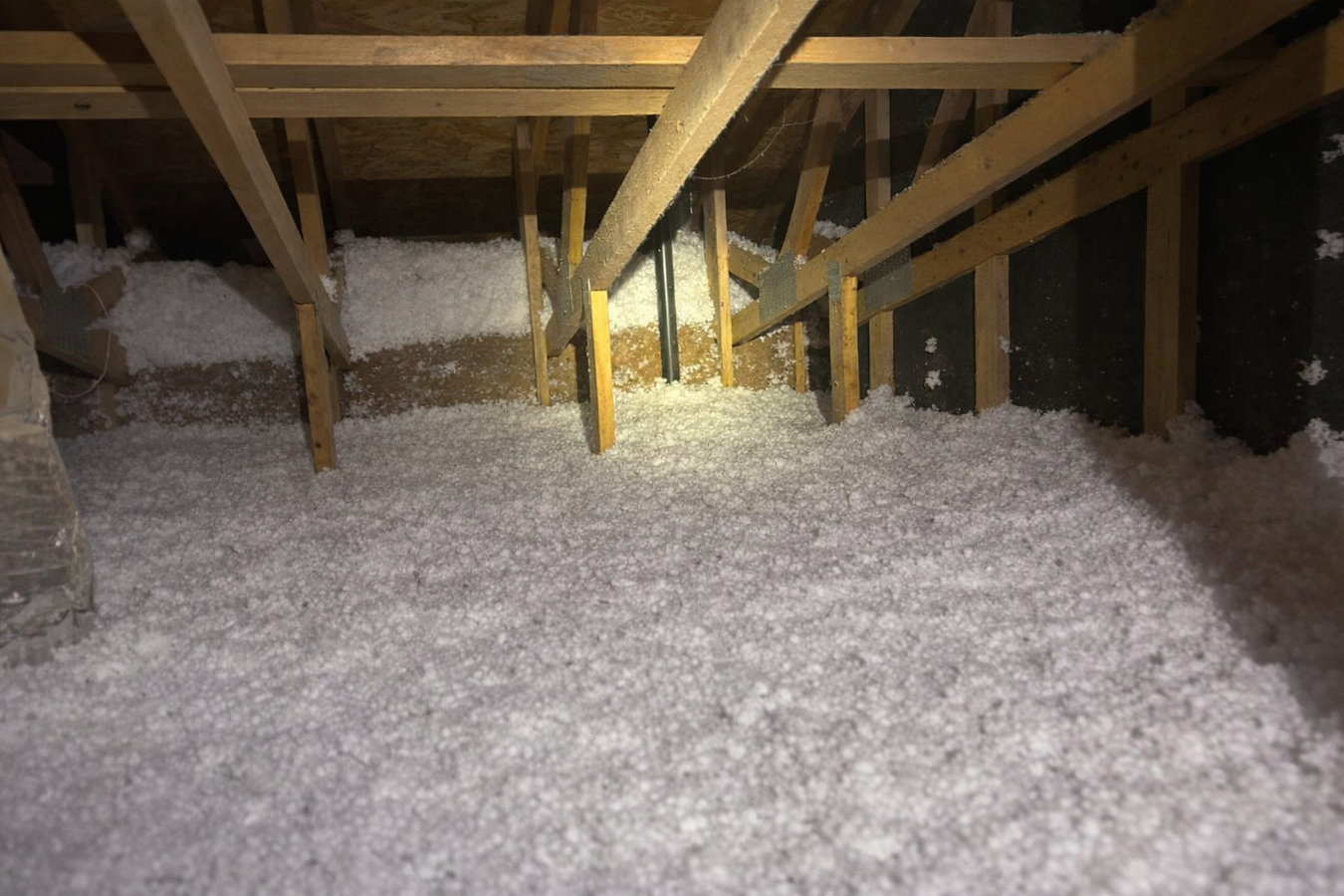
Topeka Insulation serves homeowners throughout Salina, KS with blown-in insulation, attic insulation, and spray foam insulation. Whether your home is a mid-century brick ranch near downtown or a newer subdivision on the south side, we provide free written estimates and reply within one business day.
Salina's large inventory of ranch homes from the 1950s and 1960s frequently have attics where original insulation has settled to only a few inches - well short of what the Department of Energy recommends for this climate. Our blown-in insulation service fills every corner of the attic floor, including the tight spaces near the eaves where heat escapes most easily, in a single day without disturbing the living space below.
Salina winters are cold enough to freeze the ground two feet down, and the attic is where most of that heat escapes from a home built before 1980. We bring Salina attics up to the R-49 to R-60 range the Department of Energy recommends for this climate zone, which typically produces a noticeable drop in monthly gas bills from the very first heating season.
Full basements are the norm in Salina because they double as storm shelters in tornado weather. The rim joists running around the perimeter of those basements are one of the most common sources of heat loss and cold air infiltration in mid-century Salina homes. Insulating those locations with closed-cell spray foam is one of the most cost-effective improvements available for this building type.
Salina's clay soil swells when wet and shrinks in dry summers, putting constant pressure on foundation walls and basement floors. Spray foam seals both air and moisture at the same time, making it especially useful in Salina homes where the foundation is always working against shifting soil. Closed-cell foam also adds structural rigidity to walls and rim joists, which helps in a climate that sees heavy weather every year.
Even well-maintained Salina homes have gaps around recessed lights, plumbing penetrations, and attic hatches that let conditioned air escape. In a city where both the heating and cooling seasons push HVAC systems hard, those leaks add up. Air sealing those pathways before insulation goes in is what converts a material upgrade into a measurable energy savings.
Hail is a regular event in Salina, and any storm that damages the roof can allow water into the attic before anyone notices from the inside. Wet insulation needs to come out before new material can go in. We remove damaged material safely and check the attic structure for mold or wood rot before installing a fresh layer.
Most of Salina's housing stock was built between the 1940s and the 1970s. These are mostly single-story ranch homes with full basements, many with brick exteriors that hold up well in Kansas weather but go through significant freeze-thaw stress every winter. Homes from this era were insulated to standards that fall far short of what the Department of Energy recommends today, and many of them have never had a full insulation assessment. That means a large share of Salina homeowners are spending more on heating and cooling than they need to.
Salina sits on expansive clay soil that swells when wet and shrinks during dry summers. That constant movement opens gaps in the building envelope over time, pushes against basement walls, and allows moisture to work into areas where it silently destroys insulation performance. Many Salina homeowners notice sticking doors, uneven floors, or rooms that became harder to heat over the years without connecting those signs to insulation failure. Checking for moisture and foundation movement before any new material goes in is not a formality here; it is a necessary first step.
Salina also sits in a well-documented hail corridor. Severe thunderstorms roll through regularly from May through September, and large hail is common enough that roofing damage is a routine concern for homeowners throughout the city. Any roof penetration left unaddressed allows water into the attic long before it becomes visible on the ceiling. Having insulation inspected after a major storm event, and not only after visible water damage, is a reasonable precaution for Salina homeowners with homes built before 2000.
We work in Salina and are familiar with the housing characteristics across the city, from the older brick homes near downtown to the newer vinyl-sided subdivisions on the south and east sides. In Salina, the most common job we encounter is a mid-century ranch with an attic that has never been upgraded past the minimal insulation installed during original construction. The building code at the time required much less than what this climate actually demands, and those homes have been paying the difference in heating and cooling costs ever since.
Salina is the largest city in north-central Kansas and sits at the intersection of I-70 and I-135, which makes it straightforward to reach from our base in Topeka. We know the city well, including the established neighborhoods near Kenwood Park, the areas closest to the Smoky Hill River where drainage is a recurring concern, and the newer subdivisions on the city's southern edge. Each part of Salina has its own housing profile, and we bring the right approach for each one.
We also serve Emporia to the south and regularly work throughout the central Kansas corridor. If you are in Salina or the surrounding Saline County area, we can typically schedule without the multi-week waits that contractors based farther away often require.
Reach us by phone or through the contact form. We reply within one business day and ask a few questions about your home so we arrive prepared with the right materials for your specific situation.
We inspect your attic, basement, and any areas you have noticed are uncomfortable. We measure existing insulation, check for moisture from clay soil movement or past storm damage, and provide a written estimate with the full cost broken down before any work is scheduled.
Most Salina attic jobs are completed in a single day. The crew lays down protective coverings near the access hatch and works above you without disrupting the living space. You do not need to leave your home during blown-in or batt work; spray foam jobs require a short re-entry wait while the material cures.
Before we leave, we walk you through the finished work and confirm the final R-value achieved. We provide written documentation for any federal energy efficiency tax credit and for insurance or FEMA records if your project involved storm-damaged material.
We serve all of Salina, KS and the surrounding Saline County area. Free written estimates, replies within one business day.
(785) 588-1101Salina is a city of about 46,000 residents near the geographic center of Kansas, at the crossroads of I-70 and I-135. It is the largest city in north-central Kansas and serves as a regional hub for healthcare, retail, and services across several surrounding counties. Major employers include Salina Regional Health Center, one of the largest hospitals in north-central Kansas, along with Schwan Food Company and several manufacturing operations. Most residents here are long-term locals who invest in maintaining their homes.
The housing character of Salina varies by neighborhood. The areas closest to downtown, including districts like Oakdale and Country Club, have larger lots with mature trees that have been growing for 50 to 80 years, and many homes with brick exteriors built in the 1940s and 1950s. Moving outward, ranch homes from the 1960s and 1970s fill the mid-city blocks. The south and east sides of the city have newer subdivisions built from the 1990s onward, where vinyl-sided homes on smaller lots are common. The Smoky Hill River runs through the city, and neighborhoods in its floodplain have experienced repeated flooding during wet springs.
Salina is well-known locally for Kenwood Park, one of the city's oldest parks, and for its position as a practical service center for the rural counties that surround it. We also serve Emporia and other communities across the central Kansas region, and we are familiar with the specific building stock and climate conditions that make insulation work in this part of the state different from what contractors closer to the Kansas City metro typically encounter.
Spray foam creates an airtight seal that stops drafts, reduces moisture, and delivers high R-values in a single application.
Learn moreProperly insulated attics reduce heat gain in summer and heat loss in winter, lowering energy bills year-round.
Learn moreBlown-in insulation fills irregular spaces and hard-to-reach areas evenly for consistent thermal coverage.
Learn moreWhole-home insulation assessments and installations that address every area where conditioned air is escaping.
Learn moreSafe removal of old, damaged, or contaminated insulation to prepare your home for a fresh, effective upgrade.
Learn moreInsulating the crawl space prevents cold floors, moisture problems, and energy loss through the foundation.
Learn moreWall insulation reduces outside noise and improves thermal comfort in every room of your home.
Learn moreAir sealing closes gaps and cracks throughout the building envelope so your insulation performs at full efficiency.
Learn moreBasement insulation keeps the lowest level of your home comfortable and protects against moisture infiltration.
Learn moreClosed-cell foam offers the highest R-value per inch and also acts as a vapor barrier and structural reinforcement.
Learn moreOpen-cell foam expands to fill cavities completely, providing excellent sound dampening and thermal performance.
Learn moreSealing attic bypasses before adding insulation dramatically improves the effectiveness of any attic upgrade.
Learn moreA vapor barrier in the crawl space controls ground moisture that can lead to mold, rot, and poor air quality.
Learn moreProfessional vapor barrier installation protects your home from moisture damage in crawl spaces and basements.
Learn moreRetrofit insulation upgrades existing homes without major renovation, improving comfort and efficiency quickly.
Learn moreCommercial insulation solutions for offices, warehouses, and multi-unit buildings that meet code and cut operating costs.
Learn moreTopeka Insulation serves all of Salina and the surrounding Saline County area. Call or submit a request and we will reply within one business day.